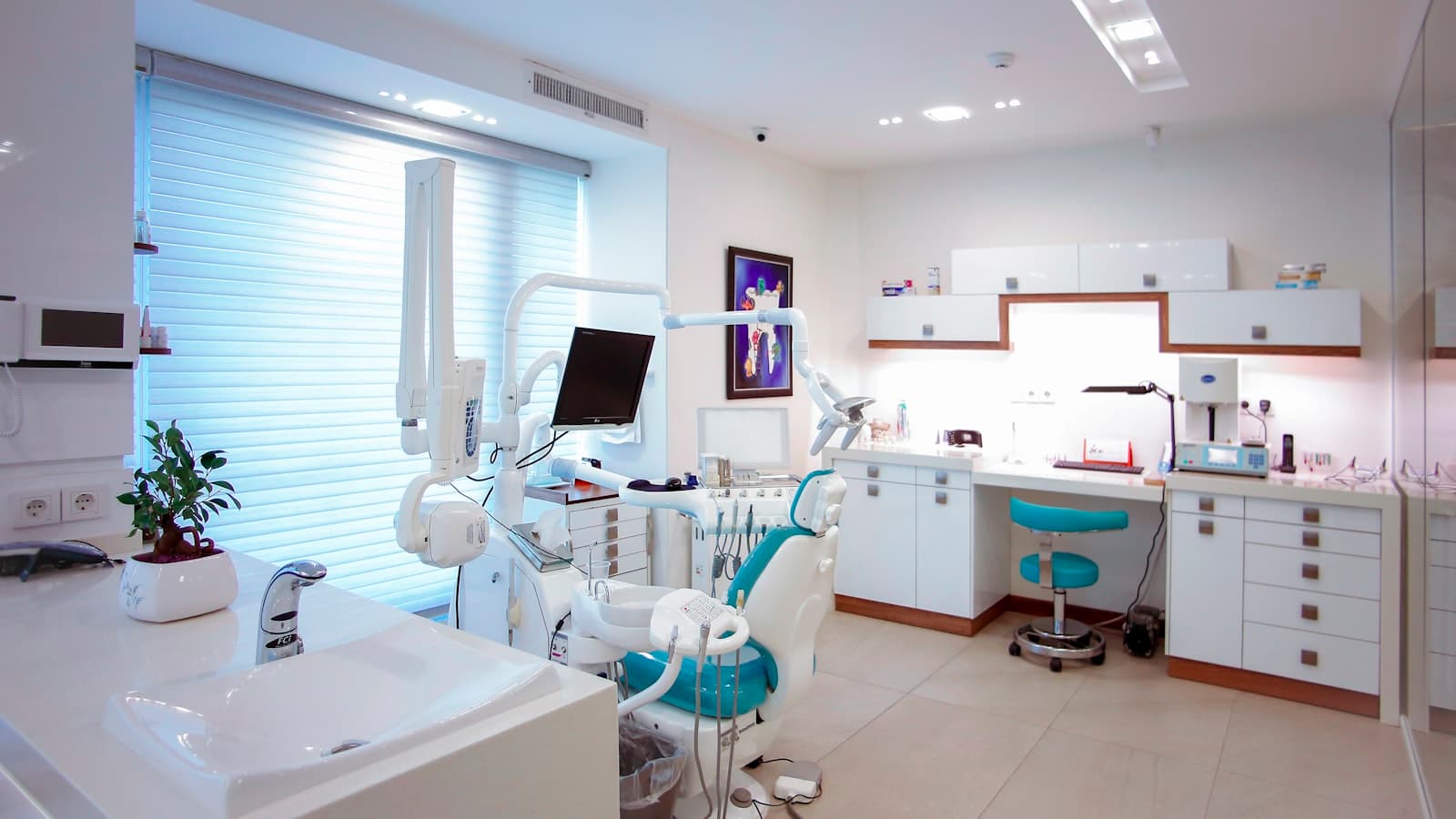
If you are an overseas-qualified dentist researching UK experience, you have probably seen the phrase "clinical attachment" or "clinical elective" and wondered exactly what it means in practice. This is a plain guide: what a UK dental clinical elective is, what it is not, what you will actually do, and how it fits into preparing to work in the UK.
The Short Answer
A UK dental clinical elective, also called a clinical attachment, is a structured period during which you work alongside a practising UK dentist. With us, you are matched to a named supervising dentist at a private practice in our UK network. You sit chairside through patient sessions, follow assessment and treatment planning, and ask questions throughout. You follow how UK dentistry is assessed, planned, consented, and delivered, case by case.
It is an active learning placement, not a back-of-the-room slot. The one firm boundary is that you do not treat patients yourself — and that boundary is what your visa allows.
A clinical elective is structured preparation, not a credential. It does not earn ORE/LDS qualifying hours, count towards the GDC's 1,600 hours of clinical experience, or guarantee GDC registration — what it builds is real familiarity with UK practice that strengthens your exam preparation and job applications.
Why You Don't Treat Patients
In the UK, you must be registered with the General Dental Council (GDC) to treat patients. Overseas-qualified dentists usually register by passing the Overseas Registration Exam (ORE) or holding the Licence in Dental Surgery (LDS). Until you are registered, you cannot provide clinical care.
A clinical elective lets you get inside a UK practice before that point, legally and usefully, by working alongside your supervising dentist. Most overseas dentists undertake one on a Standard Visitor visa, which permits educational clinical electives but explicitly not clinical practice on patients. So the boundary is not an arbitrary rule we have invented; it is built into the immigration framework and the regulation of dentistry in the UK.
What You Will Actually Do
The day-to-day depends on the supervising dentist and practice you choose, but a typical clinical elective includes:
- Patient assessments. New-patient examinations, treatment planning, consent discussions, and reviews. You follow how UK dentists structure a consultation and document it.
- Treatment sessions. Depending on the practice, anything from restorative and cosmetic work to oral surgery, endodontics, or implant treatment, followed chairside.
- Treatment planning. How a UK dentist weighs options, sequences care, prices private treatment, and explains it to the patient.
- UK protocols in action. How consent is taken, how radiographs are justified, how risk is assessed in medically complex and anticoagulated patients, and how referrals are made.
Through us you choose a supervising dentist whose work fits your interest, across general and restorative dentistry, oral surgery, endodontics, periodontics, prosthodontics and implants, orthodontics, paediatric, and cosmetic dentistry, subject to availability. Browse the network.
How It Helps Your ORE/LDS Preparation
This is where a clinical elective earns its value, and it is worth being precise about how.
A clinical elective does not earn ORE or LDS qualifying hours, count towards the GDC's 1,600 hours of clinical experience, or guarantee registration. It is preparation, not a credential that substitutes for the exams.
What it does:
- Demystifies UK practice. Many candidates have never seen UK consent or treatment planning before they sit the exam. Following it chairside makes the practical and OSCE components feel familiar rather than foreign.
- Sharpens OSCE readiness. ORE Part 2 includes OSCE-style stations on communication, history-taking, consent, and clinical reasoning. Following how UK dentists actually do these things, case by case, is good preparation.
- Strengthens your CV. A clinical elective with a UK supervising dentist is a credible line on a job or training application after you register.
For more on timing, see when to apply for a UK dental clinical elective around the ORE.
Clinical Elective, Attachment, or Elective?
These terms overlap. "clinical elective" and "clinical attachment" describe the same placement for qualified dentists. "Dental elective" is the term universities use for a placement during dental school, usually in the final year, for students. The difference is who you are and why you are here.
How to Get the Most Out of It
- Choose your supervising dentist deliberately. Pick one whose work supports your exam preparation or career interest, not just the first available date.
- Read around the cases. A session is far richer if you have read up on the treatments you will see beforehand.
- Ask good questions. Ask your supervising dentist to talk you through treatment planning and consent; that is where the learning is.
- Keep a logbook. Record the cases and techniques you follow chairside for your own ORE/LDS preparation.
- Respect the boundary. You learn alongside your supervising dentist, but you do not treat. If you are ever invited to do clinical work, politely decline; it would breach your visa.
How to Apply
Applying is straightforward. You submit your CV, the practice reviews it, you reserve your place with a deposit, and we issue the invitation documentation you need for your visa. The fee is from £500 per week, secured with a 25% deposit.
A clinical elective is structured preparation, not a credential. It does not earn ORE/LDS qualifying hours, count towards the GDC's 1,600 hours of clinical experience, or guarantee GDC registration — what it builds is real familiarity with UK practice that strengthens your exam preparation and job applications.
Browse the network, see how it works, or register to get started. If you want the full picture first, read our complete guide for overseas dentists.
Always verify current GDC and ORE/LDS requirements directly with the GDC. Visa information should be checked on gov.uk. General guidance only, not immigration advice.