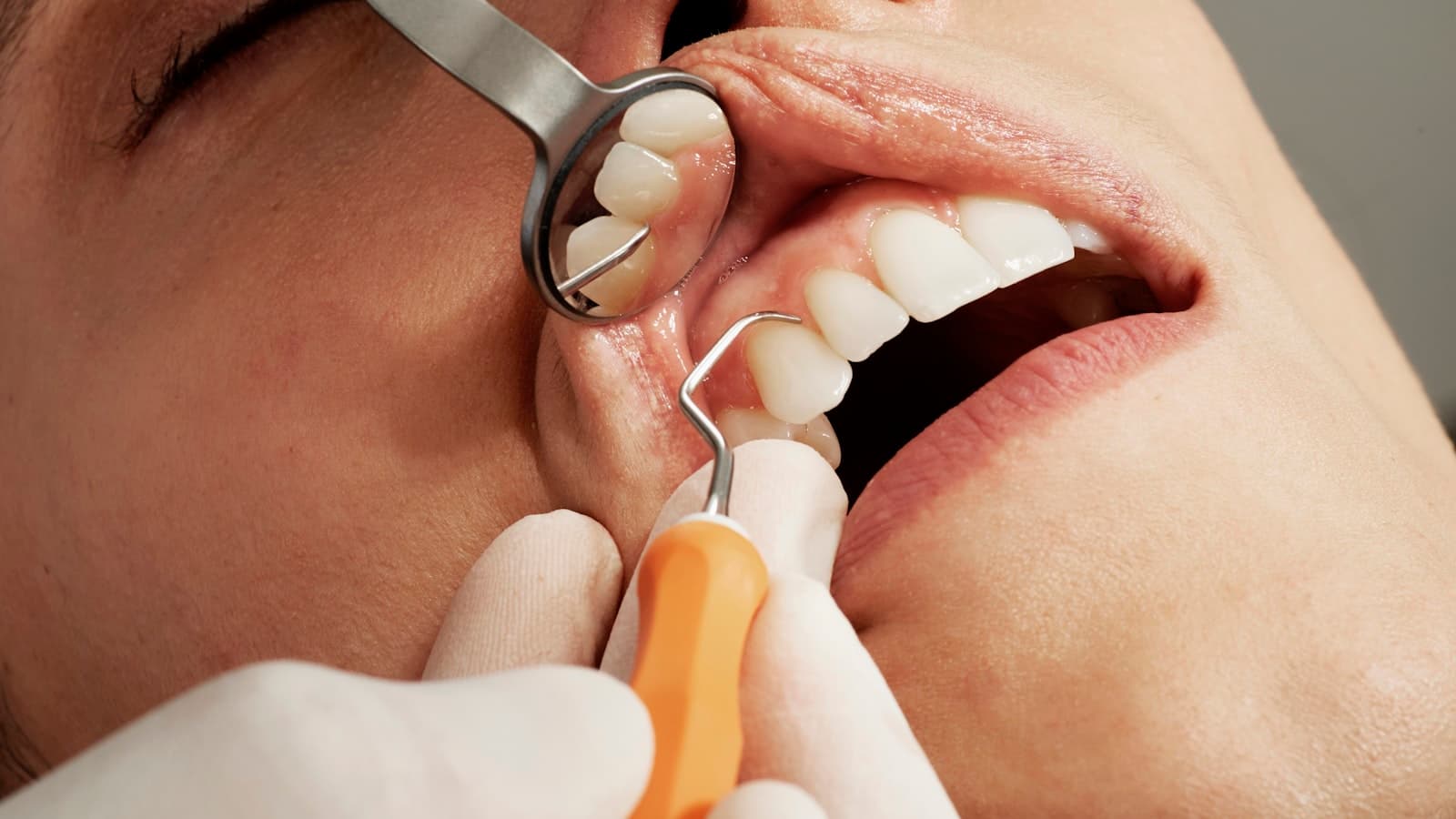
If you are an overseas-qualified dentist working towards GDC registration, ORE OSCE stations are likely the part of the journey you feel least certain about. The format is unfamiliar if your dental training was written-exam heavy, and the time pressure at each station can feel intense the first time you encounter it. This guide walks you through what an OSCE is, the kinds of stations you are likely to meet in ORE Part 2, how performance is generally assessed, and how you can build a smart, structured revision plan.
What Is an OSCE?
OSCE stands for Objective Structured Clinical Examination. Rather than sitting one long paper, you move around a circuit of short, individually timed stations. At each station you are given a brief scenario and asked to complete a specific clinical or communication task, typically in front of an examiner who scores you against a structured checklist.
The format is designed to test a broad range of competencies in a standardised way. Because every candidate faces the same stations in the same conditions, the OSCE is considered a more objective measure of clinical readiness than a traditional viva. For internationally-trained dentists, that objectivity is reassuring in principle, but it does mean there is very little room to busk or talk around gaps. Preparation needs to be deliberate.
Always check the most current format details, number of stations and timing directly with the GDC at gdc-uk.org, as the examination specification can be updated.
Types of ORE OSCE Stations
The GDC does not publish a fixed, exhaustive station list, but candidates consistently report stations that fall into the following broad categories. Use these as a revision framework rather than a guaranteed syllabus.
History taking and clinical assessment. You may be asked to take a focused dental or medical history from a simulated patient (often a trained actor). Examiners look for a logical structure, appropriate questioning technique and the ability to identify red flags.
Communication and consent. These stations assess whether you can explain a diagnosis, a proposed treatment or its alternatives in plain language a patient can understand. Consent stations in the UK context require you to demonstrate that the patient has been given enough information to make an autonomous decision.
Diagnosis and treatment planning. You may be presented with a case summary, clinical photographs or radiographs and asked to interpret the findings, reach a diagnosis and outline a management plan.
Radiograph and data interpretation. Standalone stations may ask you to describe and interpret a periapical, bitewing or panoramic radiograph, or to interpret pathology results and charting data.
Managing a medical emergency. Simulated emergency scenarios test your immediate response, use of the ABCDE approach and knowledge of when and how to escalate. UK practices follow specific resuscitation guidelines, so familiarise yourself with current UK protocols.
Prescribing and legal/ethical scenarios. Some stations test your understanding of UK prescribing frameworks, safeguarding duties or ethical obligations under the GDC's Standards for the Dental Team.
How Stations Are Generally Scored
Each station is marked against a structured examiner checklist, which means marks are awarded for specific observable actions or statements rather than for a general impression. This has an important implication for revision: practising the right things in the right order matters as much as knowing the underlying clinical content.
Marks are typically weighted across domains such as clinical knowledge, communication and professionalism. A station where you demonstrate excellent clinical knowledge but fail to introduce yourself or check the patient's name appropriately can still cost you marks. Structure and process are scored as well as content.
Keep your approach consistent across every station. A brief, reliable opening routine (introduce yourself, confirm the patient's identity, explain what you are about to do) costs you nothing and protects marks you might otherwise lose in a nervous moment.
How to Practise Effectively
Run mock OSCE circuits. Sitting a series of timed stations back to back is very different from answering questions in open revision. Set up practice circuits with colleagues or study partners, rotate roles between candidate and examiner, and debrief after each station before moving on.
Use structured communication frameworks. For history-taking stations, frameworks such as ICE (Ideas, Concerns, Expectations) are widely taught in UK dental education and align naturally with what examiners are looking for. For consent stations, a clear structure built around options, risks and patient understanding signals competence immediately.
Practise speaking aloud under time pressure. Many internationally-trained dentists find that the cognitive load of performing in English under timed conditions is significant even when their knowledge is strong. Regular out-loud practice, ideally recorded so you can review it, builds the fluency you need for the real thing.
Work through UK clinical scenarios specifically. Drug names, referral pathways, record-keeping conventions and patient communication norms differ between countries. Revision resources written for UK candidates, and where possible feedback from UK-trained colleagues or clinical supervisors, will calibrate your preparation appropriately.
A clinical elective is structured preparation, not a credential. It does not earn ORE/LDS qualifying hours, count towards the GDC's 1,600 hours of clinical experience, or guarantee GDC registration — what it builds is real familiarity with UK practice that strengthens your exam preparation and job applications.
How UK Clinical Exposure Supports OSCE Preparation
One of the things overseas-qualified dentists most commonly report finding difficult in ORE OSCE stations is the UK-specific style of patient communication. Consent conversations in UK general dental practice have a particular rhythm: they are patient-led, involve explicit checking of understanding and carry a clear ethical and legal framework rooted in the GDC's Standards.
Following these interactions chairside in a real UK clinical setting is one of the most direct ways to internalise that style. When you sit alongside a UK clinician taking a medical history, handling a concerned patient or explaining a treatment plan, you pick up the tone, the pacing and the professional habits that are difficult to absorb from a textbook alone. The same applies to following how multidisciplinary teams communicate referrals and how practices manage infection control and record keeping.
This is exactly the kind of contextual UK exposure that a clinical elective provides. It does not replace structured OSCE revision, but it complements it in ways that are hard to replicate from abroad. See our guide on what a UK dental clinical elective involves.
Practical Tips for Exam Day
- Read the station instructions carefully. You will typically have a short reading time before each station begins. Use it to identify exactly what task you are being asked to complete.
- Introduce yourself at every station. Even if it feels mechanical by the tenth station, examiners mark what they see, not what they assume you would have done.
- Do not rush to fill silence. In communication stations, a pause after the patient speaks signals that you are listening. Filling every gap with speech is a common error under pressure.
- If you lose your place, acknowledge it briefly and continue. Examiners understand that candidates are nervous. A composed recovery scores better than a spiral into apology.
- Manage your energy across the circuit. Bring water if permitted, reset mentally between stations and do not let a station you feel went poorly affect your performance at the next one.
Getting Started
If you are at the early stages of your ORE preparation and want to deepen your understanding of UK clinical environments before the exam, spending time in a UK dental practice through a structured elective is a logical and focused step. At UK Dental Electives we pair internationally-trained dentists with a named supervising dentist across a range of UK settings, giving you real chairside exposure to patient communication, consent processes and day-to-day UK practice.
Find out more about how our programme works at how it works or view available placements on our programme page.